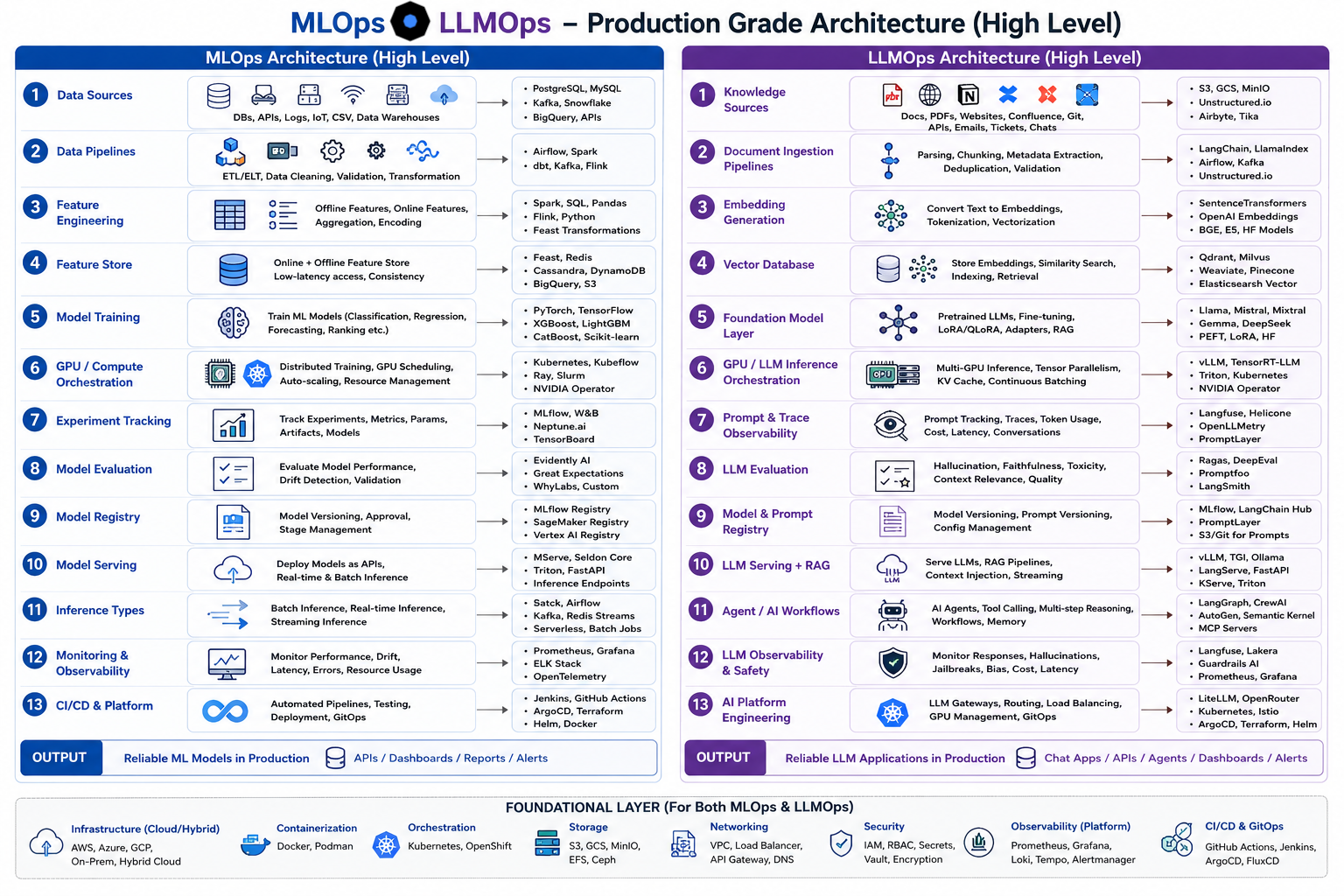
In the fast-paced world of technology, optimizing deployments on Kubernetes can be a game-changer for efficiency and scalability. Whether you’re scaling up your resources or looking to streamline the deployment of VLLM and Olama, leveraging both CPU and GPU can significantly boost performance. In this guide, we’ll explore practical strategies to optimize your Kubernetes deployments, ensuring seamless operations and maximum productivity. Dive in to discover how you can transform your deployment approach with cutting-edge techniques.
Understanding VLLM and Olama in Kubernetes Context
To truly optimize your deployments, it’s essential to understand how VLLM and Olama operate within the Kubernetes ecosystem. At their core, VLLM (Very Large Language Models) and Olama represent powerful computation tools that can perform complex tasks and generate meaningful insights from vast datasets. However, deploying them efficiently requires a nuanced approach, especially considering the unique capabilities that Kubernetes offers.
Kubernetes is a flexible, open-source platform designed for automating the scaling, deployment, and management of containerized applications. By harnessing Kubernetes, you can ensure that your VLLM and Olama models are not only effectively deployed but also resilient, scalable, and easy to manage.
Exploring VLLM in Kubernetes Deployments
Deploying VLLM on Kubernetes presents opportunities to leverage distributed resources efficiently. This approach allows for breaking down extensive computational loads into manageable tasks that can simultaneously run on multiple nodes. Such a distributed setup ensures better performance and reduces the risk of single points of failure.
A significant advantage is the ability to auto-scale these deployments based on demand. When more computational power is required, Kubernetes can automatically allocate additional nodes, thereby providing the necessary resources without manual intervention. This elasticity is invaluable in environments where demand can fluctuate rapidly.
The Role of Olama in Optimizing Resources
Olama provides a sophisticated mechanism for optimizing resource usage through intelligent allocation and scheduling. Within the Kubernetes environment, Olama can dynamically adjust its operations, balancing workloads across available resources for maximum efficiency.
This efficiency is achieved by leveraging Kubernetes’ robust resource management capabilities, such as adjusting CPU and memory allocations based on real-time analysis of workload requirements. By doing so, Olama minimizes waste and maximizes the utilization of available resources, ensuring that your deployment operates at optimal levels.
Why Choose Kubernetes for Your Deployments?
Choosing Kubernetes for your deployments can significantly enhance operational efficiency and flexibility. As an open-source orchestration platform, Kubernetes enables seamless deployment, scaling, and management of containerized applications. Its widespread adoption is a testament to its robust capabilities and community support.
One standout feature of Kubernetes is its ability to provide high availability and resilience. By distributing workloads across a cluster of nodes, Kubernetes ensures that applications remain responsive and available, even in the event of individual node failures. This capability is crucial for enterprises looking to maintain uptime and reliability in their deployments.
The Benefits of Kubernetes for Scalable Deployments
Kubernetes excels in facilitating scalable deployments. Its automated scaling capabilities allow applications to adjust in real-time to changes in demand. This feature not only enhances performance but also optimizes resource usage and costs.
Furthermore, Kubernetes enables declarative configuration, allowing developers to specify desired states for their applications. This approach simplifies the management of complex deployments, making it easier to replicate and scale applications across different environments.
Integrating Kubernetes with GPU and CPU for Performance Gains
Integrating GPUs and CPUs within a Kubernetes deployment can form a powerful infrastructure optimized for performance-intensive applications. GPUs, known for their parallel processing capabilities, are ideal for tasks such as machine learning inference and data analytics that require high throughput.
Kubernetes supports GPU scheduling, allowing specific workloads to be assigned to GPU resources seamlessly. This feature, combined with CPU allocation, ensures that the right tasks are processed on the most suitable hardware, maximizing the performance potential of your deployment.
Optimal Deployment Methods for VLLM and Olama
Deploying VLLM and Olama optimally involves several strategic approaches to ensure peak efficiency and resource utilization. Aligning your deployment with specific methods can lead to significant performance enhancements and operational cost savings.
Begin with structuring your Kubernetes setup to handle the unique demands of VLLM and Olama. This involves designing your cluster architecture to support both the computational needs and resilience required by these applications. Considering aspects such as node diversity and pod distribution can facilitate smoother execution and management of tasks.
Step-by-Step Deployment Using GPU and CPU
Embarking on a deployment using both GPU and CPU resources requires a detailed, step-by-step approach to ensure effective integration and performance optimization:
- Provision Resources: Start by defining the necessary GPU and CPU resources required for your applications. You can use kubectl to create resource requests and limits for each container, ensuring the proper allocation of available resources.
- Configure Kubernetes: Adjust the kube-scheduler to handle GPU resources by using appropriate resource tags and scheduling in YAML configurations.
- Deploy Containers: Ensure that your container images are optimized for GPU usage, leveraging libraries such as CUDA Toolkit where appropriate. Utilize multi-stage builds to keep images lightweight.
- Monitor and Adjust: Use Kubernetes tools like Prometheus and Grafana to monitor resource usage and application performance continually. Make adjustments as needed to maintain optimal operation.
Best Practices for Resource Management and Efficiency
Effective resource management is crucial for maintaining efficiency in Kubernetes deployments. Implementing the following best practices can significantly enhance performance:
- Use Resource Requests and Limits: Define requests and limits to ensure that containers receive the exact resources they need, avoiding over-provisioning and underutilization.
- Implement Node Affinity: Schedule workloads on nodes that best match their requirements using node affinity rules, optimizing available resources based on workload specifications.
- Apply Vertical Pod Autoscaling: Automatically adjust the resource requests and limits of pods to better match the current demands and improve resource utilization.
Streamlining GPU and CPU Usage
Achieving an optimal balance between GPU and CPU usage is vital for deploying advanced applications on Kubernetes with efficiency. Streamlining your approach involves adopting strategies that ensure these resources are utilized to their fullest potential.
One vital strategy is allocating workloads based on their processing requirements. Tasks that benefit from parallel processing, like machine learning models, should be directed towards GPUs, while more general-purpose computing tasks can make effective use of CPU resources. Such alignment maximizes the strengths of each processing unit while ensuring that resources are neither strained nor wasted.
Maximizing Performance with Resource Allocation Strategies
Maximizing performance through resource allocation involves nuanced strategies that align task demands with available computing resources. By employing scheduling policies that prioritize critical workloads and ensure fair sharing of resources, you can boost both performance and resource utilization.
Consider implementing Quality of Service (QoS) classes, which allow you to categorize applications based on priority and available resources. This ensures that higher-priority tasks receive the necessary resources to operate efficiently while protecting against resource starvation in less critical tasks.
Common Challenges and How to Overcome Them
Deploying on Kubernetes is not without its challenges. Common obstacles include resource contention, complex configurations, and ensuring deployment security. However, these can be overcome with informed strategies and tools:
- Tackle Resource Contention: Use resource reservations and limits effectively to manage contention by ensuring fair allocation across workloads.
- Simplify Configurations: Utilize Helm charts and templates to manage complex configurations and streamline deployment processes.
- Secure Deployments: Implement network policies and security measures that adhere to best practices, protecting sensitive data and application integrity.
Practical Examples and Case Studies
Understanding theoretical concepts is crucial, but there is immense value in examining real-world applications. Exploring practical examples and case studies of VLLM and Olama deployments can provide actionable insights, showcasing effective strategies and common pitfalls to avoid.
These examples can demonstrate how enterprises have successfully navigated the complexities of Kubernetes to deploy sophisticated applications, adapting strategies to suit their unique needs and operating conditions.
Successful VLLM Deployment Case Studies
Consider a technology company that leveraged Kubernetes to efficiently scale its VLLM deployments. By strategically using node pools and autoscaling, the organization was able to handle unprecedented traffic without compromising on performance or reliability.
By fine-tuning container images and employing advanced scheduling policies, the company reduced resource usage by 30%, allowing them to reinvest these savings into further innovation and development.
Analyzing Olama Implementations in Different Industries
Industries ranging from healthcare to finance have successfully implemented Olama to optimize operations and derive insights from complex data streams. In healthcare, for instance, Olama has been used to streamline patient data analysis, enhancing decision-making processes and patient outcomes.
In finance, it allows for the real-time processing of transactions, detecting anomalies, and protecting against fraud with unparalleled efficiency.
These implementations illustrate Olama’s versatility and potential to transform industry practices, making processes more efficient and insights more actionable.
Implementing Security and Compliance Measures
Ensuring security and compliance in Kubernetes deployments is a top priority, especially given the sensitive nature of data handled by VLLM and Olama. Deployments must adhere to best practices and regulatory requirements to protect against data breaches and ensure data integrity.
Implementing robust security measures, including encryption, network policies, and access controls, can safeguard your deployments and maintain compliance with industry standards.
Ensuring Secure Deployments in Kubernetes
Secure Kubernetes deployments start with a strong understanding of the platform’s security features. Network policies can restrict or allow traffic to specific containers, ensuring that sensitive information remains within designated boundaries. Likewise, role-based access control (RBAC) allows for precise specification of permissions, reducing the risk of unauthorized access.
Regularly updating Kubernetes and its associated tools can also protect against vulnerabilities, ensuring that your deployments remain secure over time.
Navigating Compliance in Optimized Deployments
Compliance in deployments involves understanding and adhering to regulatory requirements that govern data handling and processing. Whether ensuring compliance with GDPR or industry-specific standards, you must implement necessary protocols and documentation to maintain adherence.
Utilizing compliance monitoring tools within Kubernetes can facilitate real-time auditing and reporting, providing assurance that deployments are not only optimized but fully compliant with applicable regulations.
Conclusion: Achieving Optimal Deployment Outcomes
In the evolving landscape of technology, effectively deploying VLLM and Olama on Kubernetes is pivotal for maintaining competitive advantage. By optimizing your use of GPUs and CPUs and implementing best practices for resource management, you can achieve deployment outcomes that are both efficient and cost-effective.
Adopting a strategic approach to resources, security, and compliance ensures that your deployments not only fulfill current needs but are poised to adapt and thrive in future advancements.
What Success Looks Like: Key Takeaways and Next Steps
With these insights and strategies, a successful deployment involves not just the effective use of resources but also a forward-thinking approach to innovation and adaptability. The key takeaways include:
- Balanced Resource Allocation: Leverage both GPU and CPU resources effectively for specific tasks.
- Comprehensive Security Measures: Integrate security practices throughout the deployment lifecycle.
- Consistent Compliance Adherence: Monitor and adapt to regulatory requirements continually.
Looking ahead, explore emerging technologies and remain proactive in adapting strategies to new developments in the Kubernetes ecosystem. Ensure that your deployments are not only optimized for today’s needs but scalable for tomorrow’s challenges.